


Pulse light
Operation
Patented technology, pulsed light enables the eradication of microorganisms and the degradation of target chemical molecules.
This technology is visually incarnated by the emission of intense flashes from a wide light spectrum: from ultraviolet to infrared.
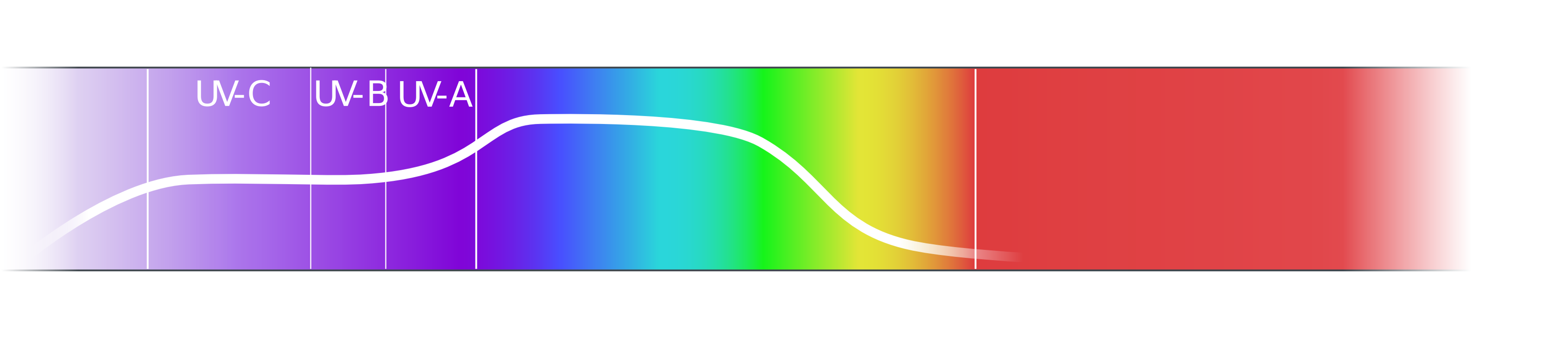
This spectrum has the effect of breaking the bonds between the complementary bases of DNA and DNARNA strands of micro-organisms. This disturbance of the cell mechanism then affects protein synthesis and microbial reproduction.
This technique has a destructive efficiency of all micro-organisms including vegetative forms, bacterial spores, mould, viruses and parasites.
The degradation of chemical molecules results, after exposure, from a photo-oxidation action destroying the bonds between atoms. This leads to degradation of chemical molecules exposed.
Examples of applications
Degradation of plant health residues
Treatment of liquids by removal of chemical molecules, allowing their recovery and reuse.
Control of cross-contamination
Secure workspaces through the destruction of microorganisms present on surfaces and contact points.
Destruction of phytopathogen
Treatment of cut plants to remove microorganisms on the surface and thereby enhance their use.
Strengthening plant immune defences
Defensive response of exposed plants reflecting their ability to defend against crop pathogens.